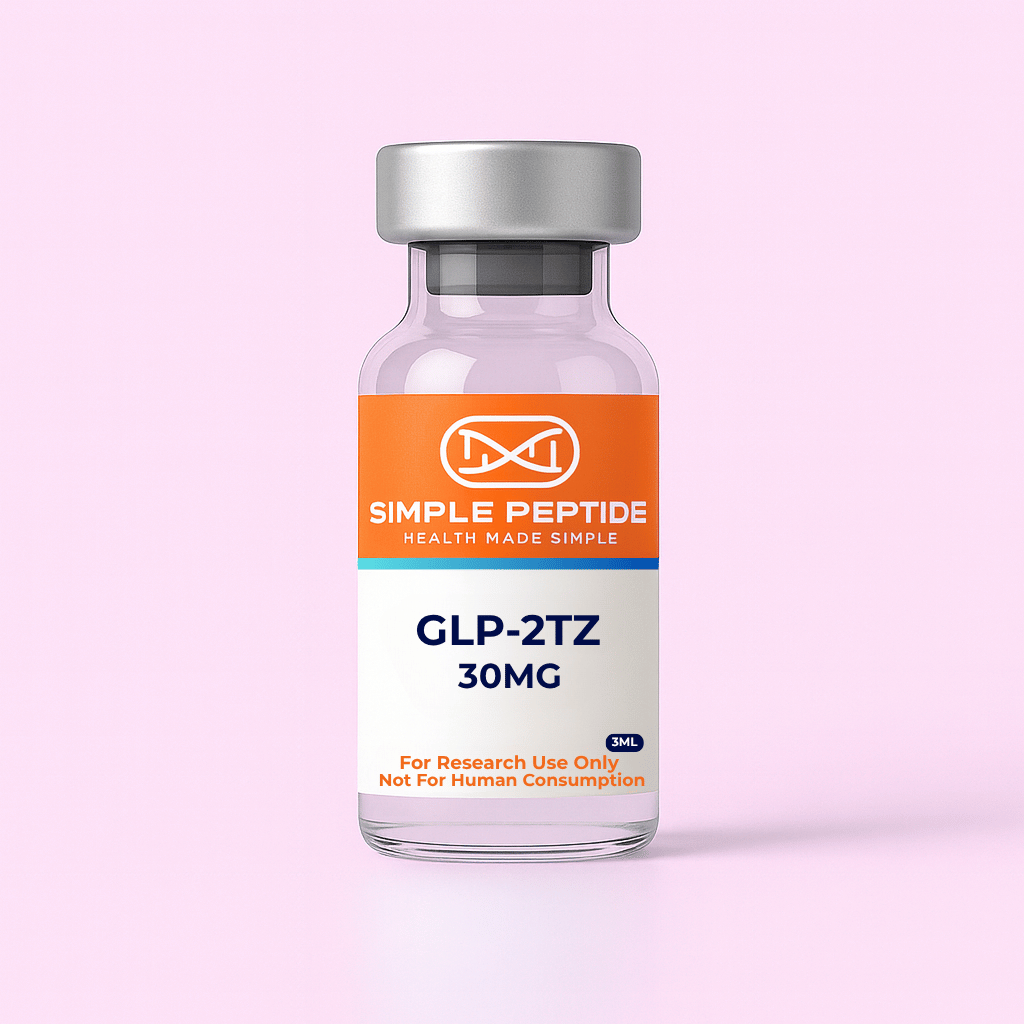
Description
Introduction to Pure Peptide Labs and GLP
The growing interest in peptide science has led many researchers to rely on pure peptide labs for high-quality compounds like GLP (Glucagon-Like Peptide). GLP peptides, particularly GLP-1, are widely studied for their role in metabolic processes and hormone regulation.
Understanding how pure peptide labs contribute to GLP research is essential for ensuring accuracy, safety, and consistency in scientific studies. This comprehensive guide explores GLP, its mechanisms, benefits, and how to choose reliable peptide sources.
What is GLP?
Pure Peptide Labs and GLP Explained
GLP, or Glucagon-Like Peptide, is a hormone involved in regulating glucose metabolism and insulin secretion. It is naturally produced in the gut and plays a critical role in maintaining energy balance.
Researchers working with pure peptide labs often study GLP due to its importance in metabolic and endocrine research.
Key research areas include:
- Glucose metabolism
- Insulin regulation
- Appetite and energy balance
Learn more about peptide science:
👉 https://www.ncbi.nlm.nih.gov (dofollow)
Types of GLP Peptides
Pure Peptide Labs and GLP Variants
GLP exists in different forms, with GLP-1 being the most widely studied:
GLP-1
Primarily involved in insulin secretion and glucose control.
GLP-2
Plays a role in intestinal growth and nutrient absorption.
These variants highlight the versatility of GLP in research conducted by pure peptide labs.
For detailed studies:
👉 https://www.sciencedirect.com (dofollow)
Mechanism of Action
How Pure Peptide Labs Support GLP Research
GLP peptides function by binding to specific receptors that regulate metabolic processes.
Key mechanisms include:
- Stimulating insulin secretion
- Reducing glucagon release
- Slowing gastric emptying
- Supporting appetite regulation
Understanding these mechanisms is crucial when sourcing peptides from pure peptide labs for accurate research applications.
Applications of GLP in Research
Why Researchers Choose Pure Peptide Labs
GLP peptides are widely used in various scientific fields:
1. Metabolic Research
Studying glucose and energy regulation.
2. Endocrine Studies
Exploring hormone signaling pathways.
3. Biomedical Research
Analyzing peptide interactions in biological systems.
4. Pharmaceutical Development
Supporting drug discovery and testing.
Explore global standards:
👉 https://www.who.int (dofollow)
Benefits of GLP Research
Advantages of Pure Peptide Labs
Researchers working with pure peptide labs benefit from:
- High-quality and consistent peptides
- Reliable experimental outcomes
- Advanced insights into metabolic processes
- Broad applications across scientific disciplines
These benefits make GLP a valuable focus in modern research.
How to Choose Pure Peptide Labs
Best Practices for Pure Peptide Labs
Selecting reliable pure peptide labs is essential for research success:
Verify Purity
Ensure peptides meet strict quality standards.
Check Transparency
Look for Certificates of Analysis (COA).
Evaluate Reputation
Choose labs with consistent positive feedback.
Review Storage Guidelines
Proper handling instructions indicate professionalism.
Check compound data:
👉 https://pubchem.ncbi.nlm.nih.gov (dofollow)
Safety and Handling
Safe Use of Peptides from Pure Peptide Labs
Proper handling ensures research accuracy and safety:
- Store in controlled environments
- Use sterile laboratory equipment
- Follow safety protocols
- Avoid contamination
For safety recommendations:
👉 https://www.fda.gov (dofollow)
Storage and Stability
Maintaining GLP Quality
After sourcing from pure peptide labs, proper storage is essential:
- Refrigerate or freeze as required
- Protect from light and moisture
- Avoid repeated freeze-thaw cycles
These practices ensure consistent research results.
Ethical and Responsible Use
Responsible Research Practices
GLP peptides are intended strictly for research purposes. Ethical considerations include:
- Following laboratory standards
- Adhering to regulatory guidelines
- Conducting responsible scientific studies
Explore research ethics:
👉 https://www.nature.com (dofollow)
Comparing GLP with Other Peptides
Pure Peptide Labs Overview
| Peptide | Function | Research Focus |
|---|---|---|
| GLP-1 | Glucose regulation | Metabolic studies |
| IGF-1 | Growth signaling | Cellular development |
| BPC-157 | Tissue repair | Healing research |
This comparison helps researchers understand GLP’s role in peptide science.
Why GLP Research is Growing
Demand for Pure Peptide
The increasing demand for pure peptide reflects the growing importance of GLP peptides in scientific research. Their role in metabolism and hormone regulation makes them essential tools in modern laboratories.
Researchers continue to explore new applications, driving further innovation in peptide science.
Buyer’s Index: Choosing Pure Peptide
Smart Buying Guide
When selecting pure peptide , consider:
- Check Certification – Ensure compliance with quality standards.
- Verify Product Purity – Look for third-party testing results.
- Assess Transparency – Choose labs with clear documentation.
- Compare Pricing vs Quality – Avoid extremely low-cost options.
- Review Storage Requirements – Ensure proper handling guidelines.
These steps help ensure reliable and high-quality peptide sourcing.
Conclusion
Understanding GLP and working with pure peptide is essential for advancing research in metabolism, endocrinology, and biomedical science. GLP peptides offer valuable insights into complex biological systems, making them a cornerstone of modern research.
By focusing on quality sourcing, proper handling, and ethical practices, researchers can achieve accurate and meaningful results. Choosing the right pure peptide ensures success in any scientific study involving GLP.
Reviews
There are no reviews yet.