
Introduction to BPC 157 Injection and Leuphasyl
The growing interest in peptides has led many researchers to explore compounds like Leuphasyl alongside topics such as bpc 157 injection. While these peptides serve different research purposes, both are widely studied in the fields of cosmetic science and regenerative biology.
Understanding how bpc 157 injection research compares to Leuphasyl helps researchers and buyers make informed decisions. This guide provides a comprehensive, educational overview of Leuphasyl, its mechanism, applications, and safe sourcing practices.
What is Leuphasyl?
BPC 157 Injection Context in Leuphasyl Research
Leuphasyl is a synthetic peptide commonly used in cosmetic and dermatological research. It is designed to reduce muscle contractions in the skin, making it a popular subject in studies focused on wrinkle reduction and anti-aging solutions.
Although often compared in discussions involving bpc 157 injection, Leuphasyl works differently by targeting neurotransmitter pathways rather than tissue repair mechanisms.
Key research areas include:
- Skin relaxation and wrinkle reduction
- Neurotransmitter signaling
- Cosmetic peptide formulations
Learn more about peptide science:
👉 https://pubchem.ncbi.nlm.nih.gov (dofollow)
Mechanism of Action
How BPC 157 Injection Differs from Leuphasyl
Leuphasyl works by inhibiting the release of neurotransmitters responsible for muscle contractions. This leads to a relaxation effect on facial muscles, which is why it is often studied in cosmetic formulations.
In contrast to bpc 157 injection, which focuses on regenerative pathways, Leuphasyl primarily influences:
- Neurotransmitter regulation
- Muscle contraction inhibition
- Skin surface smoothing
Understanding these mechanisms helps clarify the distinct roles of these peptides in research.
For scientific insights:
👉 https://www.sciencedirect.com (dofollow)
Applications of Leuphasyl
BPC 157 Injection vs Cosmetic Peptide Research
Leuphasyl is widely used in:
1. Cosmetic Science
Studying wrinkle reduction and anti-aging formulations.
2. Dermatological Research
Exploring skin elasticity and texture improvement.
3. Peptide Formulation Studies
Developing advanced skincare products.
4. Neurotransmitter Research
Understanding signaling pathways in muscle activity.
While bpc 157 injection is often associated with regenerative studies, Leuphasyl remains a key peptide in cosmetic research.
Explore global research standards:
👉 https://www.who.int (dofollow)
Benefits of Leuphasyl
Insights Compared to BPC 157 Injection
Leuphasyl offers several research advantages:
- Supports studies on wrinkle reduction
- Helps analyze muscle relaxation mechanisms
- Provides consistent results in cosmetic formulations
- Expands knowledge in peptide-based skincare
These benefits make Leuphasyl a valuable addition to peptide research discussions involving bpc 157 injection.
How to Choose Quality Peptides
Best Practices for BPC 157 Injection and Leuphasyl
When sourcing peptides, quality is critical:
Verify Purity
Ensure peptides meet strict laboratory standards.
Check Documentation
Look for Certificates of Analysis (COA).
Evaluate Supplier Reputation
Choose trusted and transparent vendors.
Review Storage Guidelines
Proper handling ensures stability and effectiveness.
Check compound data:
👉 https://www.ncbi.nlm.nih.gov (dofollow)
Safety and Handling
Responsible Use of BPC 157 Injection and Leuphasyl
Proper handling ensures safe and accurate research:
- Store in temperature-controlled environments
- Use sterile laboratory equipment
- Avoid contamination
- Follow safety protocols
For safety guidelines:
👉 https://www.fda.gov (dofollow)
Storage and Stability
Maintaining Leuphasyl Quality
After sourcing peptides, proper storage is essential:
- Refrigerate or freeze as required
- Protect from light and moisture
- Avoid repeated freeze-thaw cycles
These practices help maintain peptide integrity for consistent results.
Ethical Considerations
Responsible Research Practices
Peptides like Leuphasyl and those discussed in bpc 157 injection contexts are intended for research purposes. Ethical use includes:
- Following laboratory standards
- Adhering to regulatory guidelines
- Avoiding misuse outside approved applications
Explore research ethics:
👉 https://www.nature.com (dofollow)
Comparing Leuphasyl with BPC-157
BPC 157 Injection vs Leuphasyl
| Feature | Leuphasyl | BPC-157 |
|---|---|---|
| Primary Use | Cosmetic research | Regenerative studies |
| Mechanism | Neurotransmitter inhibition | Tissue repair pathways |
| Application | Skin and anti-aging | Healing and recovery |
This comparison highlights the differences between Leuphasyl and peptides associated with bpc 157 injection.
Why Leuphasyl is Gaining Popularity
Growth in BPC 157 Injection Related Searches
As interest in peptides grows, discussions around bpc 157 injection often lead researchers to explore other compounds like Leuphasyl. Its role in cosmetic science makes it a key peptide in modern research and product development.
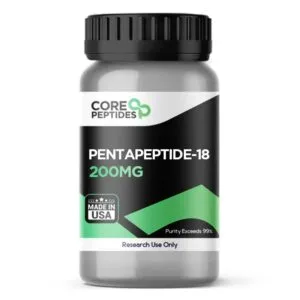
Buyer’s Index: Choosing the Right Peptides
Smart Buying Guide
When selecting peptides:
- Verify Purity and Certification
- Check Supplier Transparency
- Review Storage Requirements
- Compare Pricing vs Quality
- Ensure Compliance with Regulations
These steps help ensure safe and reliable peptide sourcing.
Conclusion
Leuphasyl stands out as an important peptide in cosmetic and dermatological research, offering unique benefits distinct from those associated with bpc injection. Understanding its mechanism, applications, and sourcing practices allows researchers to make informed decisions.
By focusing on quality, safety, and ethical use, researchers can maximize the potential of peptides like Leuphasyl while maintaining compliance and achieving reliable results